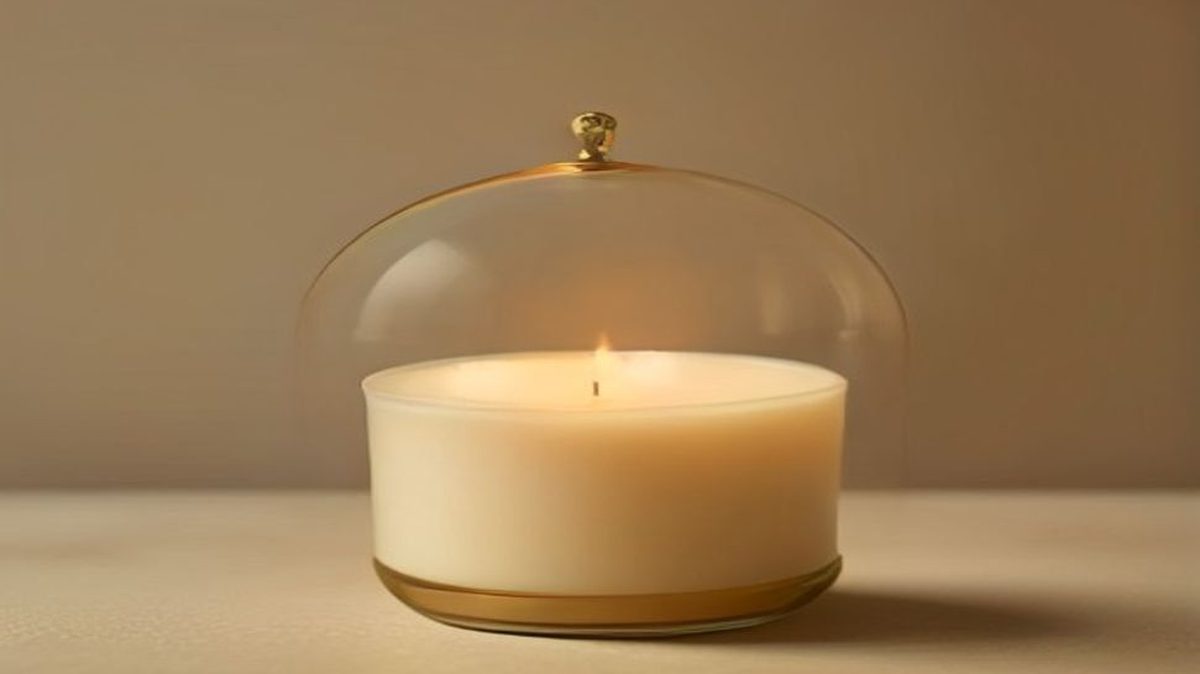
我在店里常被问到一个问题:“香薰蜡烛点完了,直接用嘴吹灭可以吗?”很多人觉得吹灭最方便,但如果你注意过,吹灭后往往会伴随一缕黑烟,甚至下次点燃时,蜡烛会带有一股焦糊味。
今天我们就来聊聊,为什么在专业芳香疗法和香薰养护中,我们更建议“盖灭”而不是“吹灭”。
为什么不建议用嘴吹灭?
用嘴吹灭蜡烛,本质上是用气流强行带走热量。这个动作会引发几个连锁反应:
- 产生黑烟(Soot):当烛芯还在高温状态时,突然的强气流会使其温度骤降。此时液态蜡仍在气化,但温度已不足以支持完全燃烧。这些未完全燃烧的碳氢化合物就会凝结成微小的碳颗粒,也就是我们看到的黑烟。这些黑烟不仅会熏黑杯壁,还会悬浮在空气中。
- 破坏香气结构:香薰蜡烛的魅力在于其精心调配的香调。吹气会瞬间带走大量已经挥发到空气中的香气分子。更糟的是,不完全燃烧产生的焦味会混入蜡池,掩盖原本的香气,影响后续的扩香体验。
- 蜡液飞溅风险:吹气时的气流扰动,很容易让处于高温液态的蜡池表面产生波纹甚至飞溅。这不仅可能弄脏周围的桌面,还有轻微烫伤的风险。
“盖灭”背后的科学原理
相比之下,使用灭烛罩(Snuffer)或直接用蜡烛自带的盖子“盖灭”,是更符合物理与化学逻辑的做法。
- 隔绝氧气,平稳熄灭:盖灭的原理是切断氧气供应。烛芯在没有氧气的环境下会自然停止燃烧,不会产生黑烟,也不会因为温度骤降而导致烛芯过度碳化。这能保证烛芯下次点燃时依然顺畅。
- 锁住香气,形成“冷嗅香”:这是盖灭最大的优势。熄灭后,蜡池中仍有余温,香气分子还在缓慢挥发。此时盖上盖子,这些香气分子会被锁在杯内。当你下次打开盖子时,会闻到一股非常完整、纯粹的香气,在香薰界我们称之为“冷嗅香”(Cold Throw),这是吹灭无法带来的体验。
正确的灭烛与日常养护步骤
想要蜡烛保持最佳的燃烧状态和香气表现,灭烛后的处理同样重要。建议按照以下步骤进行:
- 轻柔盖灭:如果是用盖子灭烛,盖下去的瞬间蜡烛熄灭后,请立刻将盖子稍微移开一条缝,让残留的少许热气散出,然后再完全盖紧。这样可以避免盖子内壁凝结水珠或闷出异味。如果是用灭烛罩,轻轻压下即可。
- 扶正烛芯:在蜡液尚未凝固时,用镊子或专用工具,将烛芯拨正,确保它垂直居于蜡池正中央。烛芯的位置直接决定了下次燃烧时蜡池是否平整。
- 清理蜡池:如果蜡池里落入了灰尘,或者有燃烧后掉落的烛芯碳化碎屑,用纸巾尖角轻轻吸出。杂质留在蜡池里会影响下次燃烧的均匀度。
- 静置冷却:让蜡烛在室温下自然冷却至完全凝固,再进行下一次点燃。
香薰蜡烛不仅是一件散发香气的物品,其燃烧的过程也是一种与空间、与自我对话的仪式。多花十秒钟用正确的方式灭烛,不仅能延长蜡烛的使用寿命,也能让每一次点燃的香气都保持最佳状态 🕯️。
你在日常用香时还遇到过哪些小困惑?欢迎在留言区和我交流。
ⓘ 本文由 AI 辅助生成,经人工核对与编辑,仅供参考。
I am often asked in the studio: "Is it okay to just blow out a scented candle when I'm done?" Many people find blowing it out the most convenient, but if you pay attention, it is often followed by a wisp of black smoke, and the candle might even have a burnt smell the next time you light it.
Today, let's talk about why, in professional aromatherapy and candle care, we highly recommend "snuffing" rather than "blowing out" your candles.
Why Blowing Out is Not Recommended
Blowing out a candle essentially uses airflow to forcefully remove heat. This action triggers a chain reaction:
- Soot Production: When the wick is still at a high temperature, a sudden strong airflow causes its temperature to drop rapidly. The liquid wax is still vaporizing, but the temperature is no longer sufficient to support complete combustion. These unburned hydrocarbons condense into tiny carbon particles, which is the black smoke we see. This soot not only blackens the glass vessel but also suspends in the air.
- Disrupting the Scent Structure: The charm of a scented candle lies in its carefully blended fragrance notes. Blowing instantly carries away a large number of volatile aroma molecules already in the air. Worse, the burnt odor from incomplete combustion mixes into the wax pool, masking the original scent and affecting the subsequent fragrance throw.
- Risk of Wax Splatter: The air disturbance from blowing can easily cause ripples or even splatters on the surface of the high-temperature liquid wax pool. This can dirty the surrounding table and poses a slight risk of burns.
The Science Behind Snuffing
In contrast, using a candle snuffer or simply using the candle's own lid to "snuff" it out is a practice that aligns better with physical and chemical logic.
- Oxygen Deprivation for a Smooth Extinguish: Snuffing works by cutting off the oxygen supply. The wick naturally stops burning without oxygen, producing no black smoke and preventing the wick from over-carbonizing due to a sudden temperature drop. This ensures the wick remains easy to light next time.
- Locking in the Scent for "Cold Throw": This is the biggest advantage of snuffing. After extinguishing, the wax pool still retains residual heat, and aroma molecules are still slowly evaporating. Putting the lid on at this moment traps these molecules inside the vessel. The next time you open the lid, you will be greeted by a very complete and pure fragrance. In the industry, we call this the "cold throw," an experience you simply cannot get by blowing out the candle.
Proper Extinguishing and Daily Care Steps
To keep your candle in optimal burning condition and scent performance, post-extinguishing care is equally important. Follow these steps:
- Snuff Gently: If using the lid, the moment the candle goes out, immediately lift the lid slightly to let the residual hot air escape, then close it tightly. This prevents condensation inside the lid or trapping stale odors. If using a snuffer, simply press down gently.
- Center the Wick: While the wax is still liquid, use tweezers or a specialized tool to straighten the wick, ensuring it is vertically centered in the wax pool. The wick's position directly determines whether the wax pool will burn evenly next time.
- Clean the Wax Pool: If dust has fallen into the wax pool, or if there are carbonized wick debris from burning, gently dab them out with the corner of a paper towel. Leaving impurities in the pool can affect the evenness of the next burn.
- Cool Down Completely: Let the candle cool naturally at room temperature until it is completely solid before lighting it again.
A scented candle is not just an object that disperses fragrance; the burning process is also a ritual of communicating with your space and yourself. Taking an extra ten seconds to extinguish it properly not only extends the candle's lifespan but also ensures every lighting delivers the best aromatic experience 🕯️.
What other small puzzles have you encountered in your daily aromatherapy practice? Feel free to share in the comments.
ⓘ This content is AI-assisted and human-reviewed.