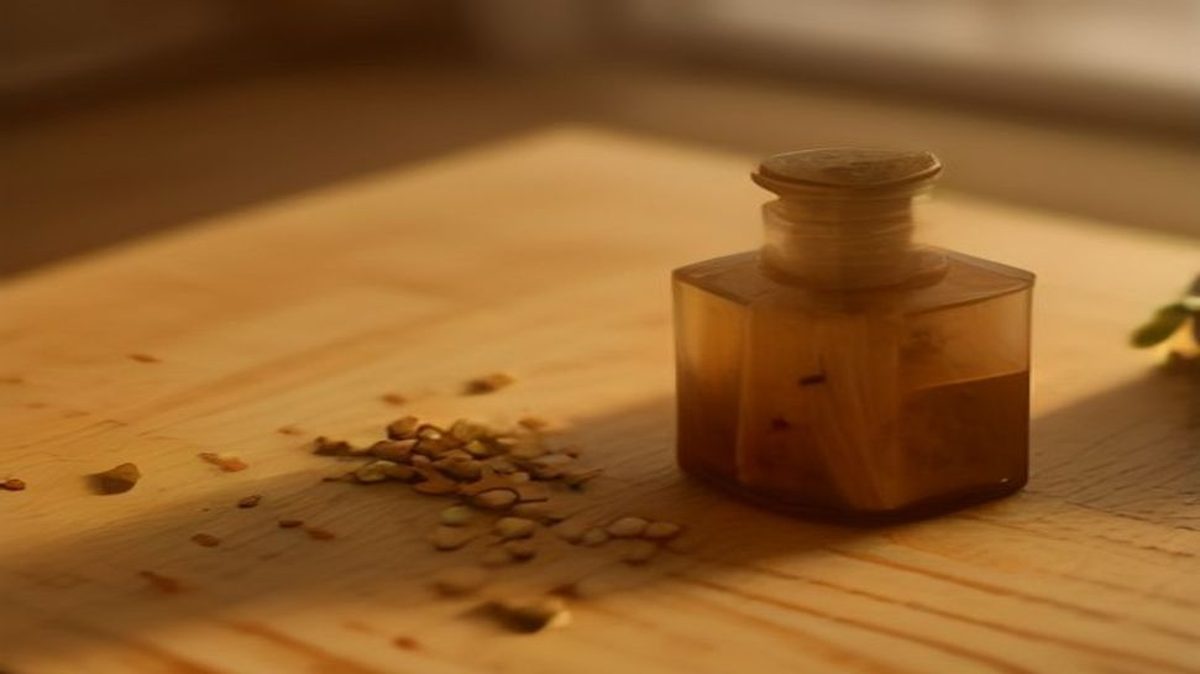
在店里,常有客人看着价签问我:“同样是木质调,檀香精油为什么比雪松、松针贵出那么多?”其实,檀香的“贵”并非营销噱头,而是由其植物特性和萃取成本决定的。今天我们就来拆解一下,这种经典木质香材背后的真实逻辑。
为什么真正的檀香如此珍贵?
檀香(Santalum album)是一种奇特的“半寄生”植物。它的根系需要附着在其他宿主植物的根部汲取养分,这导致它的生长极其缓慢。一棵檀香树通常需要生长30年以上,其木质部中心才会形成富含香气油脂的“心材”。而且,只有这部分心材才能用于蒸馏萃取精油。漫长的生长周期、有限的可用部位,加上采伐后的生态恢复难度,共同推高了它的原料成本。
香气密码:檀香醇与“定香”逻辑
从化学成分来看,优质檀香精油的核心灵魂是檀香醇(Santalol,包含α和β两种异构体),含量通常高达70%以上。这种大分子化合物挥发极慢,赋予了檀香醇厚、绵长、带有奶韵的木质香气 🪵。
在调香逻辑中,檀香是顶级的“定香剂”。它能像锚一样,拉住柑橘或花香等易挥发的前调,让整体香气更持久、圆润。在芳香疗法中,檀香醇对神经系统有显著的安抚作用,能有效缓解焦虑和睡前思虑过多,是冥想和助眠场景的绝佳选择。
产地差异与日常用香建议
提到檀香,很多人会想到印度迈索尔(Mysore)。但由于过度采伐和保护政策,正宗迈索尔野生檀香精油产量极低且价格昂贵。目前市面上合法且品质稳定的,多为澳洲檀香(Santalum spicatum)或太平洋岛国(如夏威夷、新喀里多尼亚)的种植檀香。
虽然化学成分比例略有不同,但澳洲檀香同样具备优秀的木质底蕴。日常使用时,因为檀香精油质地浓稠且价格不菲,我通常建议局部扩香。可以滴1-2滴在扩香木或扩香石上,放在书桌或床头;或者将其与甜橙、佛手柑等柑橘类精油按1:3的比例调配,用明亮的果香中和木质的厚重,让空间气息更轻盈。
了解一种香材的来处,能让我们在使用时多一份敬畏与从容。檀香的珍贵,在于时间沉淀出的那一抹温润。你平时最喜欢在什么场景下使用木质调香气?欢迎在留言区和我分享你的用香习惯。
In the studio, guests often look at the price tags and ask, "Why is sandalwood essential oil so much more expensive than cedarwood or pine?" The high price of sandalwood isn't a marketing gimmick; it is deeply rooted in its unique botanical characteristics and extraction costs. Today, let's break down the real story behind this classic woody material.
Why is Genuine Sandalwood So Precious?
Sandalwood (Santalum album) is a fascinating "hemiparasitic" plant. Its root system must attach to the roots of host plants to absorb essential nutrients, which results in extremely slow growth. It typically takes over 30 years for the center of the trunk to form the fragrant, oil-rich "heartwood." Furthermore, only this specific heartwood is suitable for steam distillation to extract the essential oil. The long growth cycle, limited usable parts, and the ecological difficulty of restoration after harvesting collectively drive up the raw material costs. This makes genuine sandalwood a true gift of time.
The Scent Profile: Santalol and the Logic of "Fixation"
Chemically speaking, the soul of high-quality sandalwood essential oil lies in santalol (comprising α-santalol and β-santalol isomers), which usually accounts for over 70% of its composition. This large-molecule compound evaporates very slowly, giving sandalwood its rich, lingering, and slightly creamy woody aroma.
In the logic of perfumery, sandalwood is a top-tier "fixative." It acts like an anchor, holding onto highly volatile top notes like citrus or delicate florals, making the overall fragrance more enduring, cohesive, and well-rounded. In aromatherapy, santalol has a profound calming effect on the nervous system. It effectively relieves anxiety and overthinking before sleep, making it an excellent choice for meditation, grounding, and sleep routines.
Origin Differences and Daily Usage Tips
When mentioning sandalwood, many enthusiasts think of Indian Mysore. However, due to historical overharvesting and strict conservation policies, authentic Mysore wild sandalwood oil is extremely rare and exorbitantly priced. Today, the legal, sustainable, and stable quality options on the market are mostly Australian sandalwood (Santalum spicatum) or plantation sandalwood from Pacific islands like Hawaii or New Caledonia.
While the chemical ratios differ slightly, Australian sandalwood still possesses an excellent, robust woody foundation. Because sandalwood oil is naturally thick and highly valued, I usually recommend localized diffusion for daily use. You can drop 1-2 drops onto an unglazed ceramic diffuser stone or a wooden block and place it on your desk or nightstand. Alternatively, try blending it with citrus oils like sweet orange or bergamot in a 1:3 ratio. The bright, uplifting citrus notes will perfectly balance the heaviness of the wood, creating a lighter and more inviting spatial atmosphere.
Understanding the origin and nature of a scent material brings a sense of respect and calm to our daily rituals. The true value of sandalwood lies in the warmth refined by decades of time. What is your favorite scenario for using woody scents? Feel free to share your personal aromatherapy habits in the comments below.