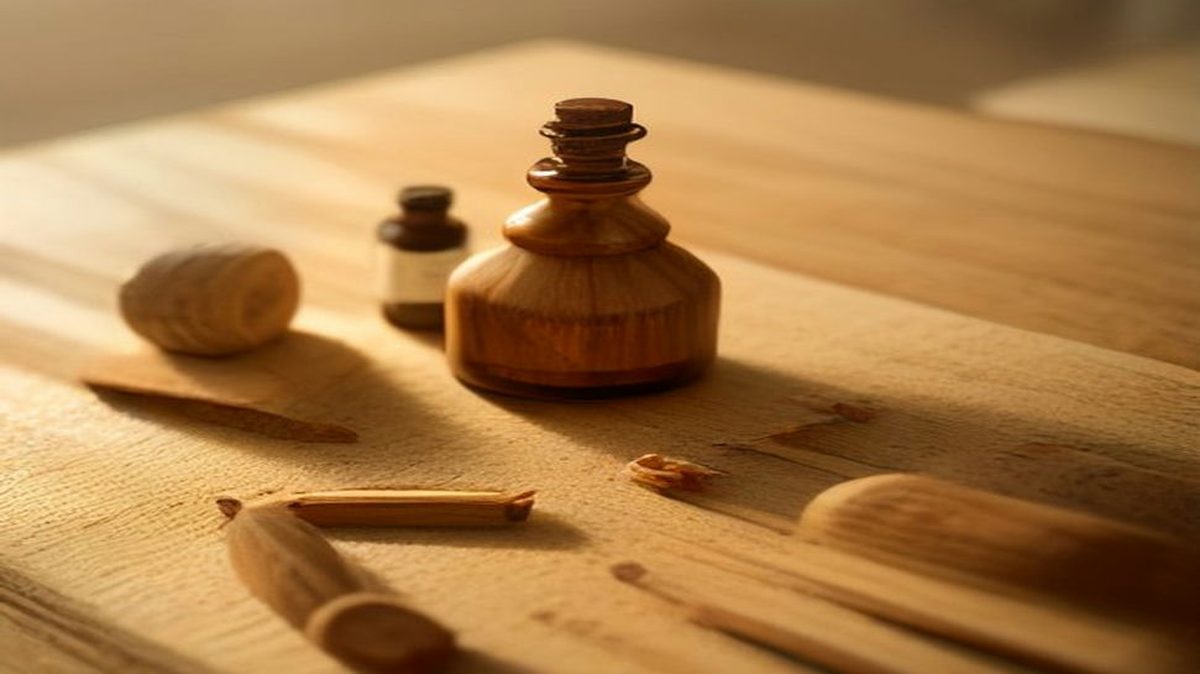
在诺洛工作室,经常有朋友看着一瓶小小的檀香精油问:“为什么它比别的精油贵这么多?”其实,檀香的珍贵并非营销噱头,而是由它的植物特性和时间成本决定的。今天我们就来聊聊,这种经典木质香材背后的“时间密码”。
为什么真正的檀香那么“慢”?
檀香(Santalum album),主要产自印度、澳大利亚等地。它之所以珍贵,首先在于“树龄”。一棵檀香树通常需要生长15到20年才开始形成心材,而要达到精油含量高、香气醇厚的标准,树龄往往需要30年甚至更久。而且,檀香是半寄生植物,生长过程中需要依附宿主植物,这进一步增加了种植的难度和周期。
我们提取精油的部位主要是树根和树干的心材。这部分木质坚硬,生长极其缓慢,可以说是岁月凝结的精华。出油率本身就不高,再加上漫长的等待期,注定了它的产量无法像普通草本植物那样快速更迭。
香气背后的化学密码
从芳香疗法和化学角度来看,檀香精油的核心魅力来自于两种倍半萜醇:α-檀香醇和β-檀香醇。这两种成分不仅赋予了檀香温暖、醇厚、带有奶甜感的标志性木质香气,更是极佳的定香剂。
在调香时,加入微量檀香就能让整体香气变得圆润、持久,把各种突兀的香气融合在一起。在芳疗应用中,檀香醇对神经系统有显著的安抚作用。当你感到焦虑、思绪繁杂或是需要冥想静心时,檀香的香气能帮助呼吸放缓,让心境沉淀下来 🪵。
日常用香:如何避开“假檀香”陷阱?
因为天然檀香成本高昂,市面上充斥着大量“平替”。很多廉价的檀香产品,其实使用的是人工合成的香料(如檀香803、Javanol等)。合成香料虽然能模仿出檀香的轮廓,但缺乏天然精油中几百种微量成分交织出的层次感和生命力,闻久了容易觉得单调甚至晕香。
作为消费者,如何辨别?天然檀香精油的颜色通常呈淡黄色至琥珀色,质地略显粘稠。香气初闻可能带有轻微的木质感或药感,但随后会透出温润的奶甜,且留香极长。
在日常使用中,如果是为了空间扩香或制作个人香水,天然檀香精油只需1-2滴,就能起到画龙点睛的作用。它不需要大量使用,微量即可感受到它安抚人心的力量。
了解一种香材,就是了解它背后的自然法则。檀香的珍贵,在于它不疾不徐的生长节奏。下次当你闻到真正的檀香时,不妨深呼吸,感受这份来自时间的馈赠。关于木质调香气,你还有什么想了解的吗?欢迎在留言区和我交流。
ⓘ 本文由 AI 辅助生成,经人工核对与编辑,仅供参考。
At NOLO Base studio, I often get asked, "Why is sandalwood essential oil so much more expensive than others?" The truth is, the high value of sandalwood isn't a marketing gimmick; it's deeply rooted in its botanical characteristics and the sheer time it takes to cultivate. Today, let's explore the "time code" behind this classic woody material.
Why is Real Sandalwood So "Slow"?
Indian sandalwood (Santalum album), primarily sourced from regions like India and Australia, owes its precious status to its age. A sandalwood tree typically takes 15 to 20 years just to start forming heartwood. To achieve a high concentration of essential oil and a rich, mellow aroma, the tree usually needs to be at least 30 years old or even older. Furthermore, sandalwood is a hemi-parasitic plant, meaning it relies on host trees for part of its nutrients, which adds complexity to its cultivation.
The essential oil is extracted primarily from the roots and the heartwood of the trunk. This part of the wood is incredibly dense and grows at a glacial pace, making it a true essence of time. The oil yield is naturally low, and combined with the long waiting period, it means the production cannot be rapidly replenished like ordinary herbaceous plants.
The Chemical Code Behind the Aroma
From the perspective of aromatherapy and chemistry, the core charm of sandalwood essential oil lies in two sesquiterpene alcohols: alpha-santalol and beta-santalol. These compounds not only give sandalwood its signature warm, creamy, and woody scent, but they also act as exceptional fixatives.
In perfumery, just a trace of sandalwood can smooth out a fragrance blend and significantly extend its longevity, harmonizing sharp notes. In aromatherapy, santalols have a profound calming effect on the nervous system. When you're feeling anxious, overwhelmed, or in need of meditation, the scent of sandalwood helps slow down the breath and grounds the mind 🪵.
Daily Use: How to Avoid "Fake Sandalwood" Traps?
Due to the high cost of natural sandalwood, the market is flooded with "affordable alternatives." Many cheap sandalwood products actually use synthetic aroma chemicals (like Sandalwood 803 or Javanol). While synthetics can mimic the basic outline of sandalwood, they lack the depth, complexity, and vitality provided by the hundreds of trace compounds found in natural essential oil. Prolonged exposure to purely synthetic scents can sometimes feel flat or even cause olfactory fatigue.
How can you tell the difference? Natural sandalwood essential oil is typically pale yellow to amber and has a slightly viscous texture. The aroma might start with a dry, woody, or slightly medicinal note, but it soon reveals a warm, creamy sweetness, with an incredibly long-lasting dry down.
For daily use, whether diffusing or blending into a personal perfume, just 1 or 2 drops of natural sandalwood can elevate the entire composition. It doesn't need to be used in large quantities; a micro amount is enough to feel its grounding power.
Understanding a fragrance material means understanding the natural laws behind it. The preciousness of sandalwood lies in its unhurried growth rhythm. Next time you smell real sandalwood, take a deep breath and appreciate this gift of time. What other woody notes are you curious about? Feel free to share your thoughts in the comments.
ⓘ This content is AI-assisted and human-reviewed.