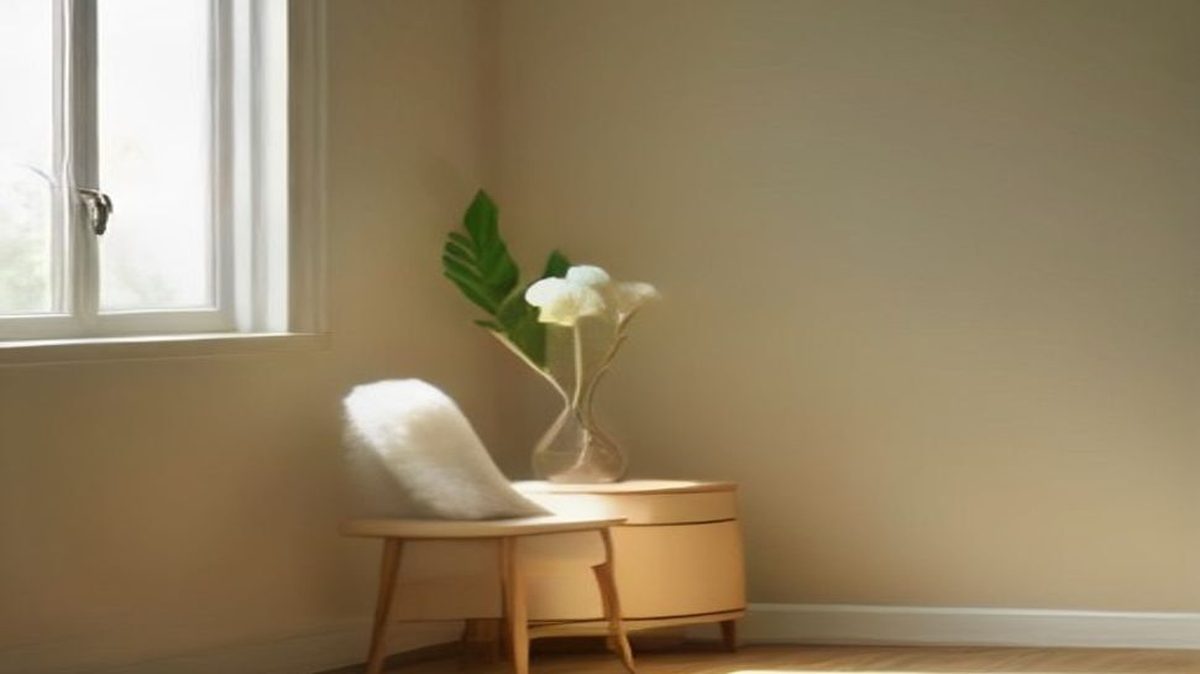
我在工作室常被问到:“买了一款很好闻的香薰,是不是每个房间都放一瓶?”其实,空间用香就像穿搭,需要看场合。不同空间的功能、面积和通风条件,决定了我们该选什么香调,以及用什么方式扩香。今天我们就来理清不同空间的用香逻辑。
一、 空间功能决定「香调选择」
香气直接影响边缘系统,进而调节情绪。选香的第一步,是明确这个空间的核心需求。
- 客厅(社交与放松):客厅是家庭公共区域,香调需要兼顾“接受度”与“氛围感”。建议选择木质调、柑橘调或清新的茶香。这类香气不具侵略性,能让访客感到放松,同时保持空间的通透感。
- 卧室(休息与睡眠):卧室的核心诉求是助眠与深度放松。这里要避开高浓度的薄荷、迷迭香等具有神经刺激作用的精油。适合选择低浓度的真实薰衣草、岩兰草或甜橙。它们含有的酯类和单萜烯成分,能有效舒缓紧绷的神经。
- 书房(专注与思考):书房需要保持头脑清醒。适合使用含有单萜烯和氧化物成分的精油,如迷迭香、柠檬、尤加利或雪松。这类香气能轻微刺激中枢神经,帮助提升专注力,驱散疲惫感。
二、 空间条件决定「扩香方式」
选对了香,还要选对扩香载体。藤条、蜡烛、扩香石各有其物理特性,适用场景完全不同。
- 藤条无火香薰:通过毛细现象持续挥发,香气稳定。适合面积适中、通风良好的空间,如客厅角落或玄关。需要注意的是,藤条数量决定了挥发面积,小卧室里放太多藤条会导致香气过浓,反而影响睡眠。
- 香薰蜡烛:燃烧时不仅有香气,还有火光的视觉疗愈。适合在客厅或卧室(睡前1小时)使用。但要注意,蜡烛燃烧会消耗氧气,卧室切忌在入睡后继续点燃。此外,像大豆蜡这类植物蜡燃烧更干净,不易产生黑烟。
- 扩香石/局部滴精油:扩香范围最小,但香气最纯粹、最克制。非常适合书房桌面或床头柜。在扩香石上滴1-2滴精油,香气只在半米内萦绕,能为你打造一个私人的“香气结界”。
三、 摆放与用量的细节讲究
最后,摆放位置也大有学问。无火香薰不要放在阳光直射或空调出风口,高温和强风会加速挥发,导致香味散失过快或浓度失控。在卧室使用时,建议将香薰放在离床头至少1米远的地方,避免醒来时感到头晕。
用香不是简单的“填满空间”,而是根据每个房间的性格,赋予它合适的呼吸节奏。你在家里通常最喜欢在哪个空间点香呢?
I’m often asked in the studio, “If I buy a great-smelling diffuser, should I just put one in every room?” Actually, scenting a space is like dressing for an occasion—it depends on the context. The function, size, and ventilation of different spaces determine which scent notes to choose and which diffusion methods to use. Today, let’s clarify the logic behind scenting different spaces.
1. Space Function Dictates "Scent Notes"
Aroma directly affects the limbic system, thereby regulating emotions. The first step in choosing a scent is to clarify the core need of the space.
- Living Room (Socializing & Relaxing): The living room is a public family area, so the scent needs to balance "acceptability" and "atmosphere." Woody, citrus, or fresh tea notes are recommended. These scents are non-intrusive, making guests feel relaxed while maintaining a sense of airiness in the space.
- Bedroom (Rest & Sleep): The core demand of the bedroom is to aid sleep and achieve deep relaxation. Here, you should avoid highly concentrated essential oils like peppermint or rosemary, which stimulate the nervous system. Low concentrations of true lavender, vetiver, or sweet orange are ideal. The esters and monoterpenes they contain can effectively soothe tense nerves.
- Study (Focus & Thinking): The study requires keeping the mind alert. Essential oils containing monoterpenes and oxides, such as rosemary, lemon, eucalyptus, or cedarwood, are suitable. These scents can mildly stimulate the central nervous system, helping to improve focus and dispel fatigue.
2. Physical Conditions Dictate "Diffusion Methods"
Once you've chosen the right scent, you must choose the right diffusion medium. Reed diffusers, candles, and aroma stones each have their own physical properties, making them suitable for completely different scenarios.
- Reed Diffusers: They evaporate continuously through capillary action, providing a stable scent. They are suitable for spaces of moderate size and good ventilation, such as living room corners or entryways. Note that the number of reeds determines the evaporation area. Placing too many reeds in a small bedroom can make the scent too strong, disrupting sleep.
- Scented Candles: When burning, they offer not only fragrance but also the visual therapy of a flame. They are perfect for the living room or the bedroom (1 hour before bed). However, remember that burning candles consumes oxygen; never leave a candle burning in the bedroom after you fall asleep. Additionally, plant waxes like soy wax burn cleaner and are less likely to produce black smoke.
- Aroma Stones / Localized Drops: These have the smallest diffusion range but offer the purest and most restrained scent. They are highly suitable for study desks or bedside tables. Dropping 1-2 drops of essential oil on an aroma stone creates a scent aura within half a meter, building a private "scent boundary" for you.
3. Details on Placement and Dosage
Finally, placement matters a great deal. Do not place reed diffusers in direct sunlight or near air conditioning vents. High temperatures and strong winds will accelerate evaporation, causing the scent to dissipate too quickly or lose control of its concentration. When using scent in the bedroom, it is recommended to place the diffuser at least 1 meter away from the bed to avoid waking up with a headache.
Scenting a home isn't simply about "filling the space with smell"; it's about giving each room its appropriate breathing rhythm based on its unique character. Which room in your home do you usually enjoy scenting the most?