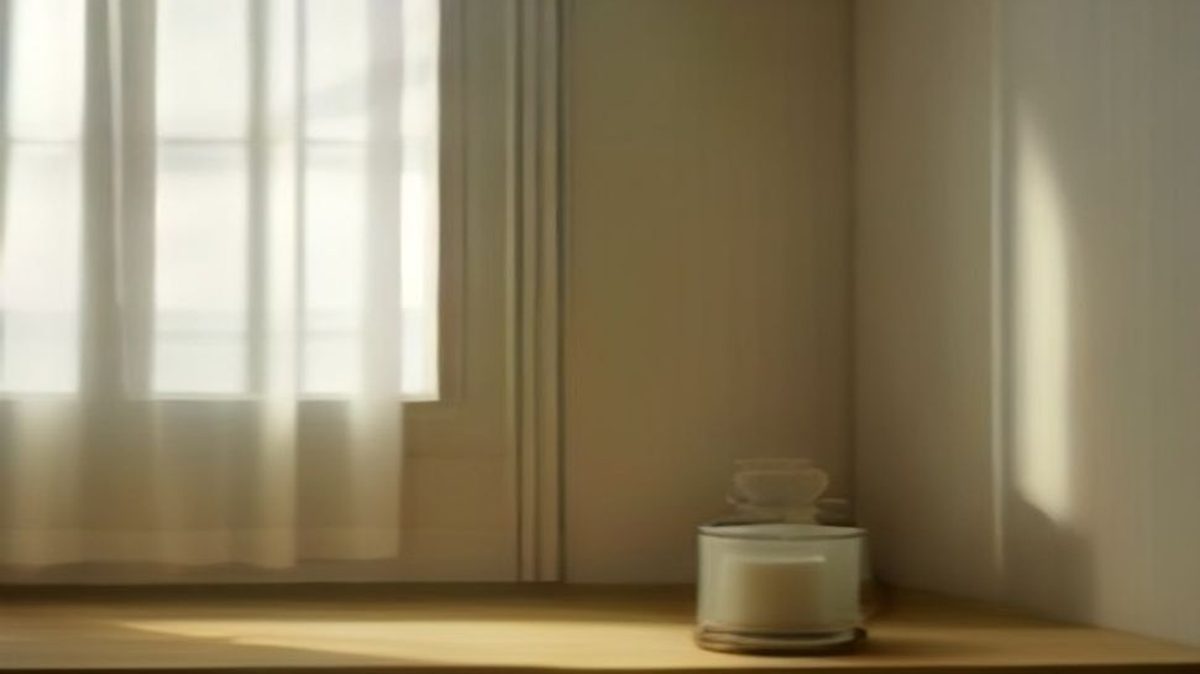
我在店里常被问到一个问题:“为什么这款香薰在卧室闻着刚好,放到客厅就完全没味道,或者在卫生间又觉得太刺鼻?”其实,空间香氛从来不是“随便放一瓶”那么简单。香气的扩散效果,与空间的面积、通风条件以及功能息息相关。今天我们就来聊聊,如何根据空间大小和特性,科学决定香薰的用量与扩香方式。
空间体积与香气浓度:为什么“闻不到”或“太刺鼻”?
香气在空气中的扩散,本质上是挥发性分子在空间内的浓度分布。空间体积直接决定了香气分子的浓度。
如果在10平米的密闭小空间里放置多根藤条或大容量扩香机,香气分子浓度过高,不仅容易导致嗅觉疲劳,还可能引发头晕等不适。相反,如果在30平米的挑高客厅里只放一小瓶迷你藤条,香气分子在到达你的鼻腔前就已经被稀释到阈值以下,自然会觉得“没味道”。
一个基础的参考逻辑是:10平米左右的空间,适合1-2根藤条或小容量无火香薰;20-30平米的开阔空间,则需要多根藤条、大容量扩香设备或燃烧多芯蜡烛。
不同功能空间的扩香方式选择
除了面积,空间的功能和通风条件也决定了扩香工具的选择。
卧室:克制与安神
卧室面积通常不大,且睡眠时门窗相对密闭。这里的核心需求是放松与助眠。建议使用无火香薰,并将藤条数量控制在1-2根,或者使用融蜡灯。尽量避免在床头点燃明火蜡烛,以免燃烧消耗氧气并产生微量烟尘。香调上,薰衣草、雪松等木质或草本香调更为合适。
客厅:开阔与欢迎
客厅是家里的核心社交区,面积大且空气流动较快。这里需要香气有足够的“穿透力”。适合使用多根藤条的无火香薰、专业扩香机,或在茶几上点燃大罐蜡烛。摆放位置建议选在空气微循环的节点或视觉中心。香调可以选择柑橘、无花果或复合花香,营造开阔、欢迎的氛围。
卫生间与玄关:除味与第一印象
卫生间面积小且通风较差,需要挥发性快、除味效果好的香气,如柑橘或迷迭香。建议使用小容量藤条或空间喷雾,避免香味与异味混合产生怪味。玄关则是入户的第一印象,空气流动极快,适合放置扩香机或藤条,快速建立嗅觉记忆。
摆放与用量的微调讲究
确定了工具和用量,摆放位置同样影响扩香效果。
香气分子是有“重量”的。大分子(如檀香、树脂等后调成分)容易下沉,小分子(如柑橘等前调成分)容易上升。因此,无火香薰不要放在太低的地方,尤其是木质调香薰,放在齐腰或桌面高度,能让香气更均匀地扩散。
此外,温度越高,挥发越快。不要把香薰放在空调出风口直吹,或紧挨着暖气片,这会加速溶剂挥发,大幅缩短留香时间。
用香是科学与美学的结合。了解空间与香气的物理逻辑,不盲目追求“浓”,才能让每一缕香气都恰到好处地融入生活。如果你在布置家居香氛时遇到具体问题,欢迎在评论区留言,我们一起探讨。
I am often asked in the studio: "Why does this scent smell just right in the bedroom, but completely disappear in the living room, or feel overpowering in the bathroom?" In fact, space fragrancing is never just about "placing a bottle somewhere." The diffusion effect of a scent is closely related to the room's area, ventilation, and function. Today, let's explore how to scientifically determine the dosage and diffusion methods based on space size and characteristics.
Space Volume and Scent Concentration: Why "No Smell" or "Overpowering"?
The diffusion of scent in the air is essentially the concentration distribution of volatile molecules in a space. The spatial volume directly determines the concentration of these molecules.
If you place multiple reed sticks or a large-capacity diffuser in a small, 10-square-meter enclosed space, the concentration of scent molecules will be too high. This can easily lead to olfactory fatigue and even cause discomfort like dizziness. Conversely, if you only place a mini reed diffuser in a 30-square-meter living room with high ceilings, the scent molecules will be diluted below the olfactory threshold before reaching your nose, making it seem like there is "no smell."
A basic rule of thumb: a space of about 10 square meters is suitable for 1-2 reed sticks or a small-capacity reed diffuser; an open space of 20-30 square meters requires multiple reeds, a large-capacity diffuser, or burning multi-wick candles.
Diffusion Methods for Different Functional Spaces
Besides area, the function and ventilation of a space also dictate the choice of diffusion tools.
Bedroom: Restraint and Relaxation
Bedrooms are usually not very large, and doors and windows are relatively closed during sleep. The core need here is relaxation and sleep aid. It is recommended to use flameless diffusers, limiting the reeds to 1-2 sticks, or use a candle warmer lamp. Avoid lighting open-flame candles by the bed to prevent oxygen consumption and trace smoke. For scent profiles, woody or herbal notes like lavender and cedarwood are more appropriate.
Living Room: Openness and Welcome
The living room is the core social area, large in size with faster air circulation. The scent here needs enough "penetrating power." It is suitable for reed diffusers with multiple sticks, professional diffusers, or burning large jar candles. The placement should be at nodes of micro-air circulation or visual centers. Scent profiles can choose citrus, fig, or complex florals to create an open, welcoming atmosphere.
Bathroom and Entryway: Odor Elimination and First Impressions
Bathrooms are small and poorly ventilated, requiring fast-evaporating and effective odor-eliminating scents, such as citrus or rosemary. Use small-capacity reeds or room sprays to avoid mixing scents with odors and creating strange smells. The entryway is the first impression upon entering, with extremely fast air circulation. It is suitable for diffusers or reeds to quickly establish an olfactory memory.
Fine-tuning Placement and Dosage
Once the tools and dosage are determined, the placement also affects the diffusion effect.
Scent molecules have "weight." Large molecules (like base notes such as sandalwood and resins) tend to sink, while small molecules (like top notes such as citrus) tend to rise. Therefore, do not place reed diffusers too low, especially for woody scents. Placing them at waist or table height allows the scent to diffuse more evenly.
Additionally, the higher the temperature, the faster the evaporation. Do not place diffusers directly in the air conditioning outlet or next to a radiator, as this will accelerate solvent evaporation and significantly shorten the lasting time.
Fragrancing is a combination of science and aesthetics. Understanding the physical logic between space and scent, and not blindly pursuing "intensity," allows every wisp of fragrance to blend perfectly into life. If you encounter specific issues when setting up your home fragrance, feel free to leave a message, and we can discuss it together.