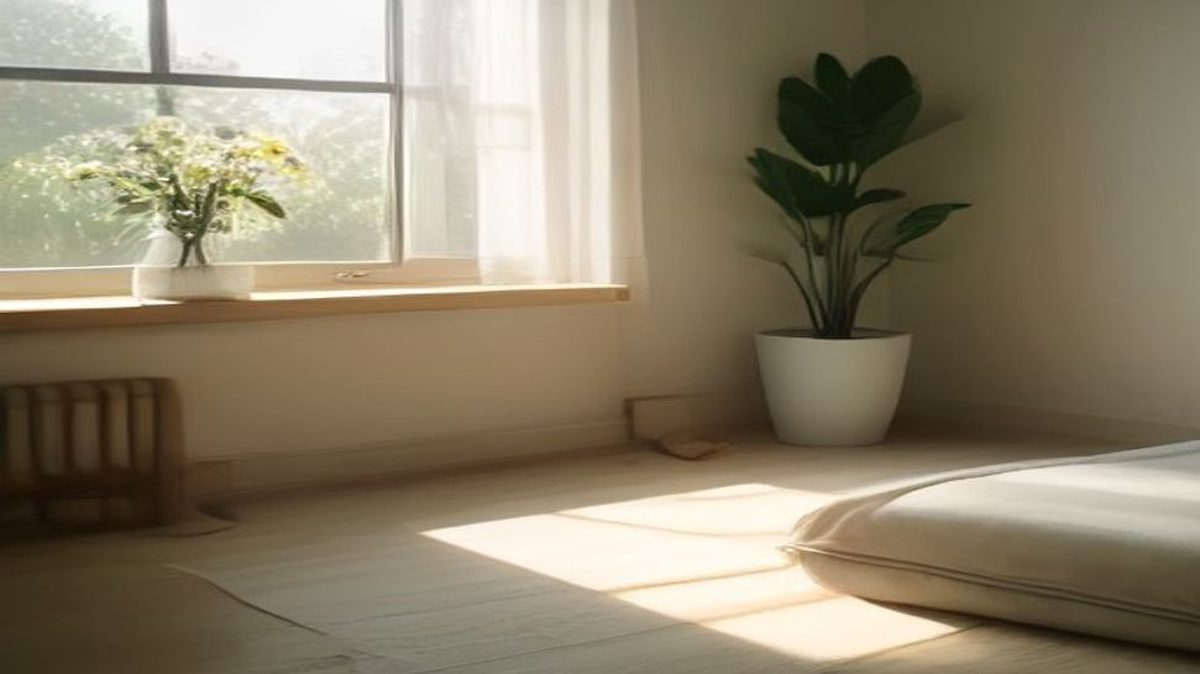
在店里,常有练习瑜伽或冥想的朋友问我:“主理人,我练功时是不是点檀香就对了?”其实,用香和练习一样,需要顺应身体的状态。今天我们来聊聊,在需要向内探索时,香气到底是怎么起作用的,又该如何选择。
为什么我们需要“沉静类”香气?
当我们进入冥想或瑜伽状态,目的是让过度活跃的交感神经(负责战斗或逃跑)平复,激活副交感神经。从芳香化学角度看,能带来“沉静感”的精油,通常富含倍半萜烯(如雪松中的雪松醇)或倍半萜醇(如岩兰草中的岩兰醇)。
这些大分子物质挥发较慢,香气沉稳。它们通过嗅觉神经直达大脑边缘系统,传递“安全、扎根”的信号,帮助心率放缓,让飘忽的思绪安定下来。
不同练习阶段,用香逻辑大不相同
1. 课前收心:切断杂念,需要“清透的木质”
刚垫上瑜伽垫时,脑子里往往还是工作和琐事。此时不宜用太厚重的树脂香,而应选择带有泥土气息的根茎类,如岩兰草。它的气味像雨后的森林地表,能迅速帮你把注意力“拉”回地面,完成从外界到内在的切换。
2. 深度专注与体式:向下扎根,选择“树脂与根茎”
进入深度冥想或保持高难度体式时,需要内在的稳定感。乳香和没药是经典选择。乳香中的乙酸辛酯成分能加深呼吸,而没药的温润能安抚焦躁。我们在调香时,也常会加入一点广藿香,它特有的微苦药草香能极大地增强“扎根感”(Grounding),让下盘更稳。
3. 课后休息术:轻柔过渡,回归“花香与草本”
练习结束,身体需要被温柔包裹。此时应撤掉厚重的木质香,换成真正薰衣草(注意是真正薰衣草,不是醒目薰衣草)或甜橙。它们富含酯类,能带来纯粹的放松与愉悦,帮助身体从专注状态平滑过渡到日常。
冥想用香的三个关键细节
浓度宜淡不宜浓
冥想时呼吸深长,如果香气太浓,反而会刺激呼吸道,引起咳嗽或分心。空间扩香时,精油滴数应比日常少三分之一,保持“似有若无”的状态最佳。
扩香方式的选择
比起超声波香薰机(会增加空气湿度,有时会让空间显得闷),我更推荐无火藤条扩香或扩香木。它们散发的香气更线性、自然,不会打断呼吸的节奏。
警惕“晕香”
如果某款香气让你觉得胸闷或头晕,立刻停止。身体的排斥反应是最真实的反馈,不要为了“追求意境”而强忍。
香气是辅助,真正的宁静来源于你自身的呼吸。下次练习时,不妨根据当下的状态,换一种香气搭配,看看身体会给你怎样的反馈。如果你也有自己偏爱的练习用香,欢迎在留言区和我交流。
In the studio, yoga and meditation practitioners often ask me, "Is sandalwood the only right choice for my practice?" Actually, scenting your space should align with your physical and mental state. Let's explore how aromatherapy works for inward-focused practices and how to choose the right grounding scents.
Why Do We Need "Grounding" Scents?
When entering a meditation or yoga state, the goal is to calm the overactive sympathetic nervous system (fight or flight) and activate the parasympathetic nervous system. From an aromachemistry perspective, essential oils that bring a "grounding" feeling are usually rich in sesquiterpenes (like cedrol in cedarwood) or sesquiterpenols (like vetiverol in vetiver).
These large molecules evaporate slowly, creating a steady scent. They travel directly through the olfactory nerve to the limbic system, sending signals of "safety and grounding" to the brain, which helps slow the heart rate and settle floating thoughts.
The Scenting Logic for Different Practice Phases
1. Settling In: Clear Woods to Cut Through Clutter
When you first step on the mat, your mind is often still buzzing with work and chores. Avoid heavy resins at this stage. Instead, choose earthy root scents like Vetiver. It smells like damp forest soil, quickly pulling your attention back to the ground and completing the switch from the outside world to your inner self.
2. Deep Focus and Asanas: Rooting Down with Resins and Roots
For deep meditation or holding challenging poses, you need inner stability. Frankincense and Myrrh are classics. The octyl acetate in frankincense deepens breathing, while myrrh's warmth soothes restlessness. When formulating, we often add a touch of Patchouli; its slightly bitter, earthy profile greatly enhances the "grounding" effect, helping you feel more rooted.
3. Savasana (Final Rest): Gentle Transition with Florals and Citrus
As the practice ends, the body needs gentle wrapping. Swap heavy woods for Lavandula angustifolia (True Lavender) or Sweet Orange. Rich in esters, they offer pure relaxation, helping the body smoothly transition from a state of focus back to daily life.
Three Crucial Details for Scenting Your Practice
Keep it Light, Not Overpowering
Breathing is deep and long during meditation. If the scent is too strong, it can irritate the airways, causing coughing or distraction. When diffusing in a space, use one-third less essential oil than you would for normal room diffusion. A "barely there" state is best.
Choose the Right Diffusion Method
Instead of ultrasonic diffusers (which add humidity and can make the space feel heavy), I recommend reed diffusers or wooden aroma stones. They emit a more linear, natural scent that won't interrupt your breathing rhythm.
Listen to Your Body's "Scent Aversion"
If a scent causes chest tightness or dizziness, stop immediately. Your body's rejection is the most honest feedback. Don't force it for the sake of "ambiance."
Scent is just an aid; true tranquility comes from your own breath. Next time you practice, try adjusting your scent based on your current state and see how your body responds. If you have a favorite practice scent, feel free to share it in the comments.