在诺洛工作室,常有朋友看着货架问:「为什么同样是玫瑰,有的叫精油,有的叫绝对油(Absolute),价格却差了好几倍?」
其实,这背后的核心差异就在于萃取方式。植物中的芳香分子非常脆弱,不同的提取工艺不仅决定了出油率,更直接影响了精油的化学成分和最终香气。今天我们就来拆解三种最常见的精油萃取法。
水蒸气蒸馏法:最经典也最考验耐心
这是最古老、应用最广的萃取方法。
原理:将植物材料放入蒸馏器,通入高温水蒸气。高温让植物腺胞破裂,芳香分子随蒸汽蒸发,经过冷凝管冷却后变成液体。因为水和精油密度不同,精油会浮在水面上被分离,下层的水就是纯露。
特点:高温会破坏一些不耐热的芳香分子,所以蒸馏出来的精油香气通常比植物本身更「熟」一些,但也因此去除了部分杂质,性质更稳定。
代表精油:薰衣草、茶树、迷迭香。我们在调配安神配方时,最常使用的就是蒸馏萃取的薰衣草精油,它的关键成分芳樟醇保留得很完整。
冷压萃取法:保留柑橘类最鲜活的香气
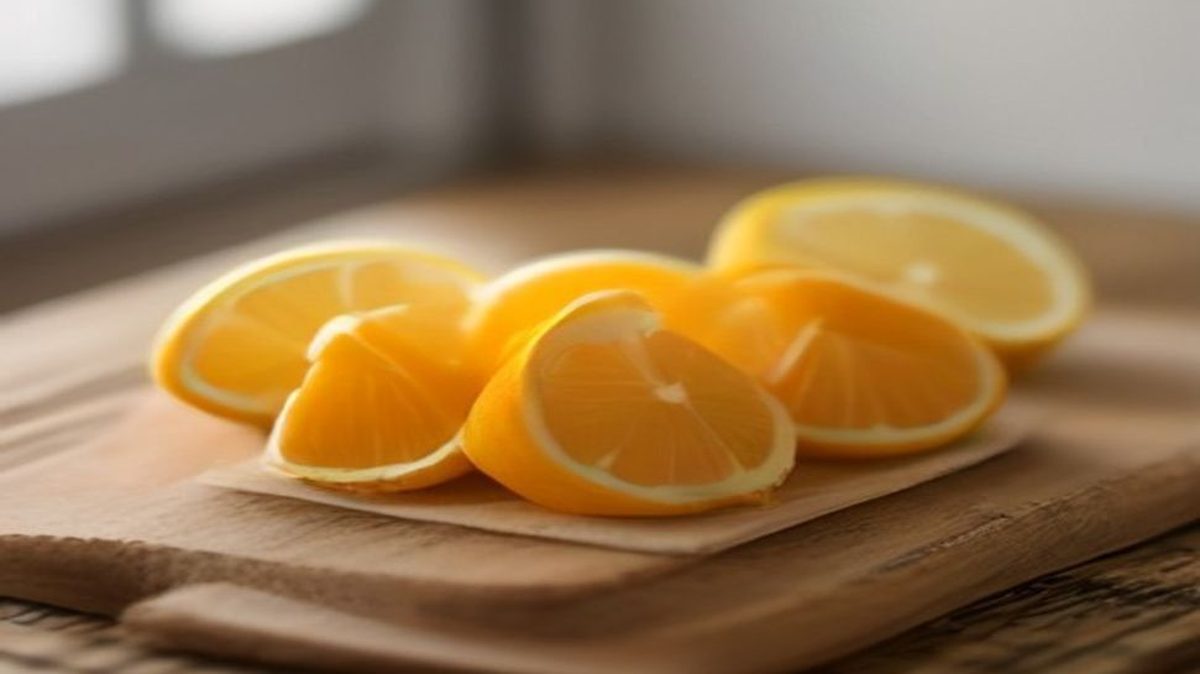
如果你闻过刚剥开的橘子皮,就会明白为什么柑橘类精油几乎不用蒸馏法。
原理:柑橘类的芳香分子主要集中在果皮的油囊中,且极不耐热。冷压法就是在常温或低温下,通过机械压榨果皮,破坏油囊,再经过离心分离出精油。
特点:最大程度保留了柑橘类清新、活泼的香气分子(如柠檬烯)。但因为是物理压榨,精油中可能会残留微量的果皮蜡质,且含有呋喃香豆素,具有光敏性。
代表精油:甜橙、柠檬、葡萄柚、佛手柑。
溶剂萃取法:捕捉娇嫩花朵的灵魂
有些花朵(如茉莉、玫瑰)非常娇嫩,一旦遇到高温水蒸气,香气分子就会被破坏,且出油率极低(比如玫瑰需要几千公斤花瓣才能蒸馏出一公斤精油)。
原理:先用挥发性溶剂浸泡花朵,溶解出芳香物质和植物蜡,得到「凝香体(Concrete)」;然后再用酒精洗涤凝香体,挥发掉酒精后,得到的就是「绝对油(Absolute)」。
特点:绝对油能极其完整地还原花朵绽放时的真实香气,层次更丰富。现代工艺已将溶剂残留控制在极微量的安全标准内。此外,现在也有更先进的超临界CO2萃取,原理类似但无溶剂残留,不过成本极高。
代表精油:玫瑰绝对油、茉莉绝对油、白兰花绝对油。
了解萃取原理,用香更进阶
知道了这些,在日常用香时就能更有针对性:
- 注意光敏性:柑橘类冷压精油含有光敏物质,白天涂抹在暴露在外的皮肤上后,要注意防晒,或者选择经过处理的无呋喃香豆素(FCF)版本。
- 控制绝对油用量:花朵类的绝对油香气分子更复杂、浓郁,在扩香时只需1-2滴,就能让空间充满立体的花香,多了反而容易晕香。
精油是植物浓缩的精华,了解它们是如何来到我们手中的,能帮助我们更科学、更好地感受自然的力量。
ⓘ 本文由 AI 辅助生成,经人工核对与编辑,仅供参考。
In the NOLO Base studio, visitors often ask, "Why is there a rose essential oil and a rose absolute, and why is the price difference so huge?"
The core difference lies in the extraction method. Aromatic molecules in plants are delicate. Different extraction processes not only determine the yield but also directly affect the chemical composition and the final scent profile. Today, let's break down the three most common essential oil extraction methods.
Steam Distillation: The Classic and Patient Approach
This is the oldest and most widely used method.
The Principle: Plant material is placed in a still, and high-temperature steam is passed through it. The heat ruptures the plant's secretory cells, causing the aromatic molecules to evaporate with the steam. As the vapor travels through a condenser and cools, it turns back into a liquid. Since oil and water have different densities, the essential oil floats on top and is separated, while the hydrosol (floral water) remains below.
Characteristics: High temperatures can alter some heat-sensitive aromatic compounds, which is why distilled oils often have a slightly "cooked" or different scent profile compared to the raw plant. However, this process also removes certain impurities, making the oil more stable.
Examples: Lavender, Tea Tree, Rosemary. When formulating relaxing blends, we often rely on steam-distilled lavender for its well-preserved linalool content.
Cold Pressing: Capturing the Vibrant Scent of Citrus
If you've ever peeled a fresh orange, you understand why citrus oils are rarely distilled.
The Principle: The aromatic molecules in citrus fruits are concentrated in the oil sacs of the peel and are highly heat-sensitive. Cold pressing involves mechanically piercing and squeezing the peels at room temperature or below to release the oils, followed by centrifugal separation.
Characteristics: This method maximizes the retention of fresh, lively scent molecules (like limonene). However, because it's a physical process, the oil may contain trace amounts of peel waxes and furanocoumarins, which cause phototoxicity.
Examples: Sweet Orange, Lemon, Grapefruit, Bergamot.
Solvent Extraction: Trapping the Soul of Delicate Flowers
Some flowers, like Jasmine and Rose, are too delicate; high heat would destroy their scent molecules, and their oil yield via distillation is incredibly low.
The Principle: A volatile solvent is used to wash the flowers, dissolving both the aromatic compounds and plant waxes to create a "concrete." This concrete is then washed with alcohol to separate the waxes. After the alcohol evaporates, the resulting highly concentrated liquid is called an "absolute."
Characteristics: Absolutes capture the true, complex scent of the blooming flower much more accurately than distillation. Modern refining keeps solvent residues well within safe limits. Additionally, supercritical CO2 extraction is now used as a solvent-free alternative, though it is much more expensive.
Examples: Rose Absolute, Jasmine Absolute, White Lotus Absolute.
Understanding Extraction for Better Aromatherapy
Knowing these methods helps you use oils more effectively:
- Mind Phototoxicity: Cold-pressed citrus oils contain phototoxic compounds. Avoid applying them to sun-exposed skin during the day, or opt for FCF (furanocoumarin-free) versions.
- Control Absolute Dosage: Floral absolutes have more complex and intense scent molecules. Just 1-2 drops in a diffuser can fill a room with a rich, three-dimensional floral aroma; using too much can be overwhelming.
Essential oils are the concentrated essence of plants. Understanding how they are extracted allows us to use them more scientifically and better appreciate the power of nature.
ⓘ This content is AI-assisted and human-reviewed.