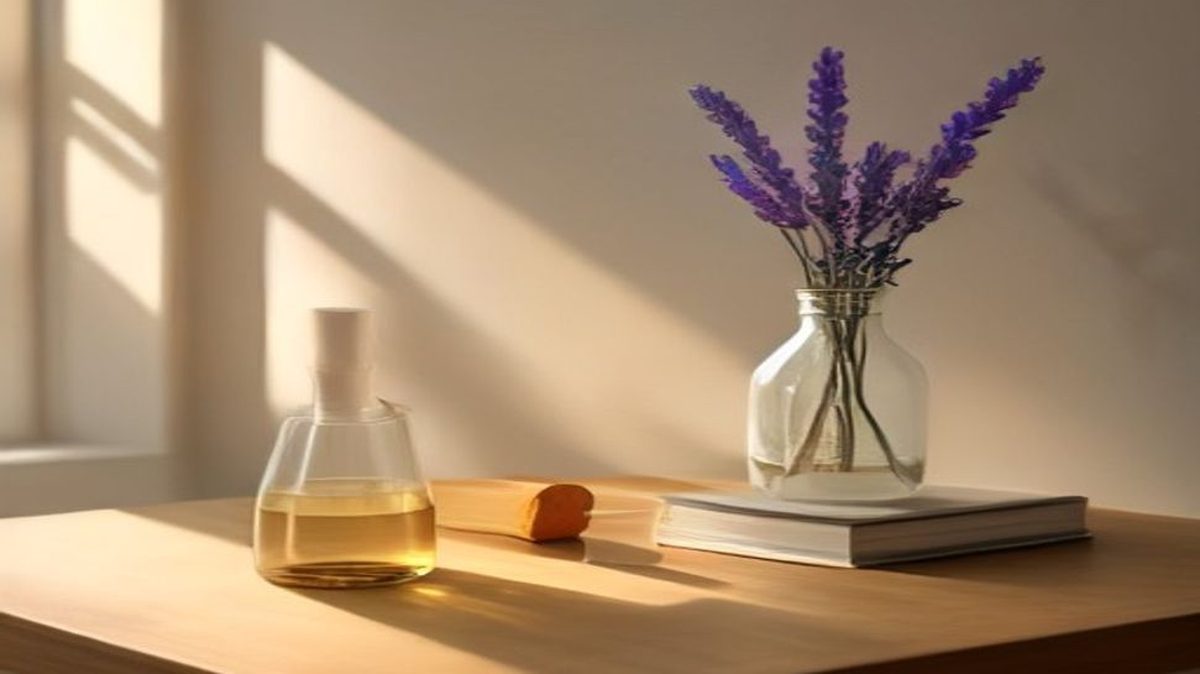
在店里,我常被问到这样一个问题:“我看网上说薰衣草精油可以点涂在痘痘上,纯精油是不是可以直接涂?”
答案可能要让很多新手失望了:除了极少数情况(如薰衣草、茶树在极小面积点涂),绝大多数纯精油绝对不能直接接触皮肤。
为什么纯精油不能直接上皮肤?
精油是从植物中提取的高浓度挥发性芳香分子。它们具有极强的脂溶性,能够迅速穿透皮肤屏障进入血液。如果未经稀释直接涂抹,高浓度的酚类、醛类或萜烯类化合物会直接刺激皮肤,引发红肿、刺痛,甚至导致化学灼伤。此外,像柠檬、佛手柑等柑橘类精油含有呋喃香豆素,接触皮肤后若暴露在紫外线下,还会引发严重的光敏反应,留下难以消退的黑斑。
基础油的作用与安全稀释比例
在芳香疗法中,我们强调必须将精油滴入基础油(如荷荷巴油、甜杏仁油、葡萄籽油)中进行稀释。基础油不仅能降低精油浓度,还能作为载体,帮助精油分子更平缓、均匀地渗透进皮肤。
那么,到底该稀释多少?这取决于使用部位和目的。以下是国际芳香疗法中通用的安全稀释比例:
- 面部护理(0.5% - 1%):面部皮肤娇嫩,浓度必须极低。10ml基础油中加入1-2滴精油即可。
- 身体日常按摩(2% - 3%):适用于日常放松、保湿。10ml基础油中加入4-6滴精油。
- 局部短期护理(3% - 5%):针对肌肉酸痛或局部不适,短期使用。10ml基础油中加入6-10滴精油。
为了方便记忆,你可以记住这个公式:1%的浓度,约等于10ml基础油中滴入2滴精油。
特殊人群与用香禁忌
用香不仅要看比例,还要看人群和精油特性。
- 孕妇与婴幼儿:孕期前三个月应尽量避免使用精油;婴幼儿皮肤屏障未发育完全,浓度应控制在0.5%以下,且需避开薄荷、迷迭香等含高比例酮类或薄荷脑的精油。
- 宠物家庭:猫狗缺乏代谢某些芳香分子的肝脏酶,尤其是茶树、柑橘、尤加利等精油对宠物有潜在毒性。扩香时务必保持通风,或选择宠物安全级别的纯露。
芳香疗法是一门严谨的植物应用科学。了解精油的化学特性与安全边界,不是为了限制我们享受香气,而是为了让植物能量更安全、持久地滋养身体。下次调配按摩油时,不妨先算好比例,让每一次用香都安心、有效。
In my studio, I am frequently asked this question: "I read online that lavender oil can be dotted directly on pimples. Can pure essential oils be applied straight to the skin?"
The answer might disappoint many beginners: with very rare exceptions (like applying a tiny drop of lavender or tea tree oil to a specific blemish), most pure essential oils should never touch the skin undiluted.
Why Undiluted Essential Oils Are Risky
Essential oils are highly concentrated, volatile aromatic compounds extracted from plants. They are highly lipophilic, meaning they can rapidly penetrate the skin barrier and enter the bloodstream. If applied directly, high concentrations of phenols, aldehydes, or terpenes can severely irritate the skin, causing redness, stinging, or even chemical burns. Furthermore, certain citrus oils like lemon and bergamot contain furanocoumarins. If they touch the skin and are then exposed to UV light, they can trigger severe phototoxic reactions, leaving dark spots that take months to fade.
The Role of Carrier Oils and Safe Dilution Ratios
In clinical aromatherapy, we always emphasize diluting essential oils in a carrier oil (such as jojoba, sweet almond, or grapeseed oil). Carrier oils not only reduce the concentration but also act as a vehicle, helping the essential oil molecules penetrate the skin more gently and evenly.
So, what is the correct dilution ratio? It depends on the application area and purpose. Here are the standard safe dilution guidelines:
- Facial Care (0.5% - 1%): Facial skin is delicate, requiring very low concentrations. Add just 1-2 drops of essential oil to 10ml of carrier oil.
- Daily Body Massage (2% - 3%): Ideal for general relaxation and moisturizing. Add 4-6 drops of essential oil to 10ml of carrier oil.
- Short-term Localized Care (3% - 5%): For muscle soreness or localized discomfort, used for a short period. Add 6-10 drops of essential oil to 10ml of carrier oil.
For easy calculation, remember this rule of thumb: A 1% dilution equals roughly 2 drops of essential oil per 10ml of carrier oil.
Special Populations and Safety Precautions
Safe usage also depends on the user and the specific oil's properties.
- Pregnant Women and Infants: Avoid essential oils during the first trimester. For infants, whose skin barriers are still developing, keep concentrations below 0.5% and avoid oils high in ketones or menthol, like peppermint or rosemary.
- Pet Owners: Cats and dogs lack certain liver enzymes needed to metabolize specific aromatic compounds. Oils like tea tree, citrus, and eucalyptus can be highly toxic to pets. When diffusing, ensure proper ventilation or opt for pet-safe hydrosols.
Aromatherapy is a rigorous botanical science. Understanding the chemical properties and safety boundaries of essential oils isn't meant to restrict our enjoyment of scents; rather, it ensures that plant energies nourish our bodies safely and effectively. Next time you blend a massage oil, take a moment to calculate the ratio, making every aromatic experience both safe and beneficial.