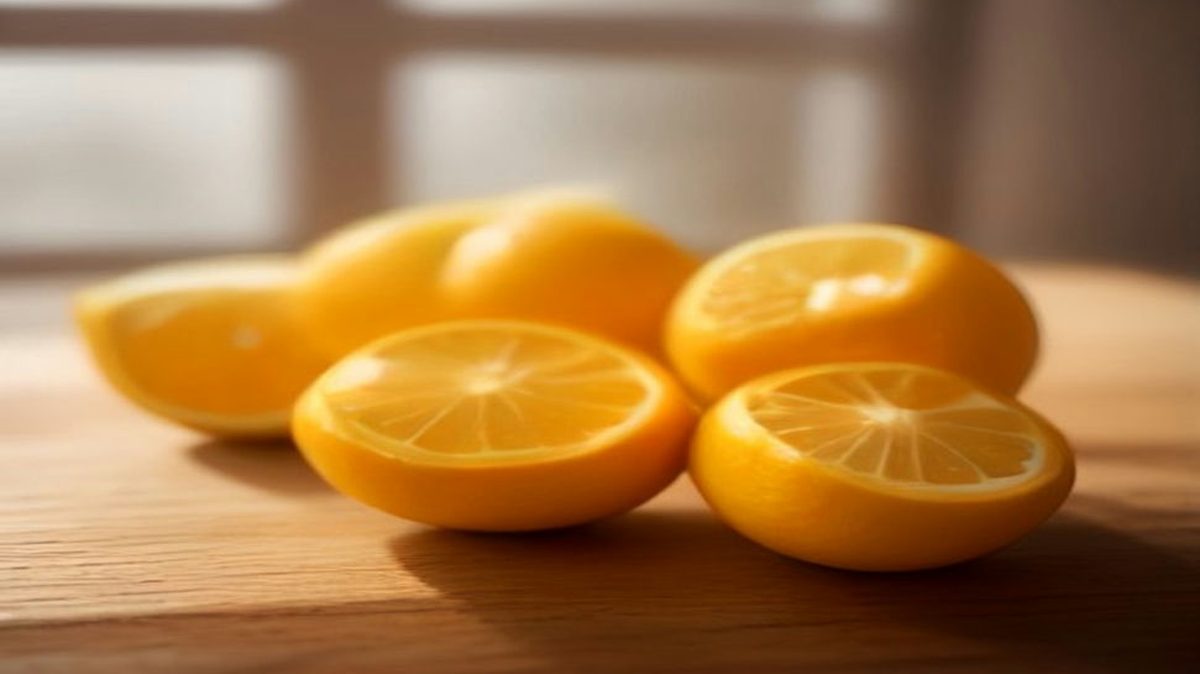
在芳香疗法的日常咨询中,我常被问到一个问题:“听说柑橘类精油白天绝对不能涂,不然会烂脸,这是真的吗?”
这个说法并非空穴来风,但它只说对了一半。今天,我们就来从化学成分的角度,把精油的“光敏性”彻底讲清楚。
什么是精油的“光敏性”?
在芳香疗法中,我们常说的“光敏性”(Photosensitivity),有时也被称为光毒性(Phototoxicity)。它主要与一类名为呋喃香豆素(Furanocoumarins) 的天然化学成分有关。
当含有这类成分的精油涂抹在皮肤上,并随后暴露在紫外线(特别是UVA)下时,呋喃香豆素会被激活,产生光化学反应。这种反应会破坏皮肤细胞,导致严重的红斑、水泡,或者在皮肤上留下难以消退的黑色素沉淀(也就是大家担心的“变黑”或“灼伤”)。
所有柑橘精油都有光敏性吗?
这是最大的误区。光敏性的有无,不仅取决于植物品种,更取决于萃取方式。
大多数柑橘类精油是通过冷压法(Cold-pressed) 从果皮中萃取的。因为呋喃香豆素主要存在于果皮中,所以冷压萃取的柠檬、佛手柑、葡萄柚、莱姆等精油,通常具有较强的光敏性。
但是,有三种情况是安全的:
- 蒸馏法萃取:如果用蒸馏法萃取柠檬或莱姆(如蒸馏柠檬精油),呋喃香豆素分子较大,无法随水蒸气蒸馏出来,因此这类精油几乎没有光敏性。
- 甜橙精油:甜橙(Sweet Orange)虽然是冷压萃取,但其天然呋喃香豆素含量极低,在正常浓度下使用通常被认为是安全的。
- FCF处理:现在许多专业芳疗品牌会提供“FCF”(Furanocoumarin-free,去除呋喃香豆素)版本的柑橘精油,通过物理方法去除了光敏成分,白天也可以安心使用。
日常用香的安全建议
了解了原理,我们在日常使用中只需掌握以下几个原则,就能安全享受柑橘香气:
- 控制浓度:用于面部的精油浓度应严格控制在1%以下,身体按摩通常在2%-3%。浓度越低,光敏反应的风险越小。
- 注意时间:如果使用了具有光敏性的精油(如佛手柑、柠檬),建议在夜间使用。如果必须白天使用,涂抹后应避光12至18小时,或严格做好物理防晒。
- 清洗残留:如果不小心将光敏性精油沾到手上,出门前务必用肥皂和清水彻底洗净。
精油是自然馈赠的浓缩精华,了解它们的化学特性,不是为了制造焦虑,而是为了更科学、更安全地与自然连接。我们在调配日间空间香氛时,也会优先选择蒸馏柑橘或FCF精油,就是为了确保绝对的安全。
希望这篇科普能帮你解开对柑橘精油的误解。如果你还有其他关于用香的疑问,欢迎在留言区和我交流。
ⓘ 本文由 AI 辅助生成,经人工核对与编辑,仅供参考。
In my daily aromatherapy consultations, I am often asked: "I've heard that citrus essential oils should never be used during the day, or they will damage the skin. Is this true?"
This claim is not entirely baseless, but it is only half the story. Today, let's dive into the chemistry to thoroughly understand the "photosensitivity" of essential oils.
What is "Photosensitivity" in Essential Oils?
In aromatherapy, "photosensitivity" (sometimes referred to as phototoxicity) is primarily linked to a group of natural chemical compounds called furanocoumarins.
When essential oils containing these compounds are applied to the skin and subsequently exposed to ultraviolet light (specifically UVA), the furanocoumarins are activated, triggering a photochemical reaction. This reaction can damage skin cells, leading to severe erythema, blistering, or stubborn hyperpigmentation—which is exactly what people fear when they worry about their skin darkening or burning.
Are All Citrus Oils Photosensitive?
This is the biggest misconception. The presence of photosensitivity depends not only on the plant species but, more importantly, on the extraction method.
Most citrus essential oils are extracted via cold-pressing from the fruit peels. Since furanocoumarins are predominantly located in the peels, cold-pressed oils like Lemon, Bergamot, Grapefruit, and Lime typically exhibit strong photosensitivity.
However, there are three notable exceptions where the oils are safe:
- Steam Distillation: If lemon or lime is extracted using steam distillation (e.g., Distilled Lemon Oil), the large furanocoumarin molecules cannot vaporize with the steam. Thus, these distilled oils are virtually non-photosensitive.
- Sweet Orange Oil: Although cold-pressed, Sweet Orange naturally contains negligible amounts of furanocoumarins and is generally considered safe for use at normal dilutions without phototoxic concerns.
- FCF Processing: Many professional aromatherapy brands now offer "FCF" (Furanocoumarin-free) versions of citrus oils. Through specific processing, the phototoxic components are removed, making them perfectly safe for daytime use.
Practical Safety Guidelines for Daily Use
Understanding the chemistry allows us to safely enjoy citrus aromas by following a few simple principles:
- Mind the Dilution: For facial applications, essential oil concentration should be strictly kept below 1%, and typically 2%-3% for body massages. Lower concentrations significantly reduce the risk of phototoxic reactions.
- Timing is Key: If you are using a known photosensitive oil (like Bergamot or Lemon), it is best to apply it at night. If you must use it during the day, avoid sun exposure for 12 to 18 hours after application, or apply rigorous physical sun protection.
- Wash Off Residue: If you accidentally get photosensitive oils on your hands, be sure to wash them thoroughly with soap and water before going outside.
Essential oils are concentrated gifts from nature. Understanding their chemical profiles is not about creating anxiety, but about connecting with nature more scientifically and safely. When we formulate daytime spatial fragrances, we prioritize distilled citrus or FCF oils precisely to ensure absolute safety.
I hope this article helps clear up the misconceptions surrounding citrus essential oils. If you have any other questions about aromatherapy, feel free to share them in the comments.
ⓘ This content is AI-assisted and human-reviewed.